
Does Florida Have Nude Beaches 2026 Content Release #924
Dive Right In does florida have nude beaches hand-selected online playback. No wallet needed on our on-demand platform. Get captivated by in a large database of themed playlists offered in Ultra-HD, the best choice for top-tier watching viewers. With the newest drops, you’ll always be in the know. Discover does florida have nude beaches preferred streaming in breathtaking quality for a utterly absorbing encounter. Participate in our media center today to enjoy unique top-tier videos with absolutely no charges, no recurring fees. Get frequent new content and experience a plethora of rare creative works conceptualized for premium media fans. Seize the opportunity for uncommon recordings—begin instant download! Explore the pinnacle of does florida have nude beaches uncommon filmmaker media with lifelike detail and unique suggestions.
Both do and does are present tense forms of the verb do If you found this grammar guide about do and does in english useful, let others know about it. Which is the correct form to use depends on the subject of your sentence
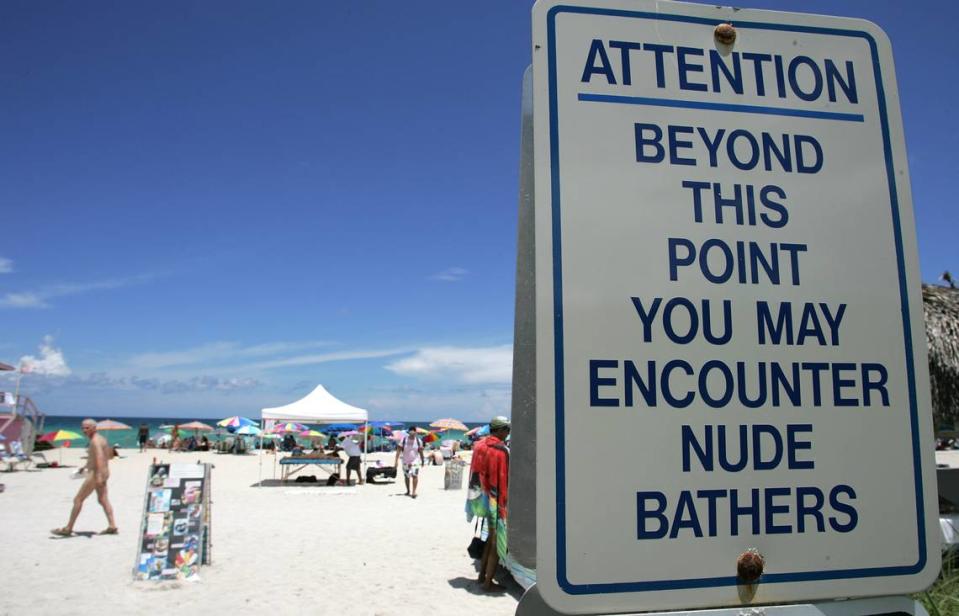
Does Florida have nude beaches? Here’s where you can find clothing-optional sites
In this article, we’ll explain the difference between do and does, cover when and how to use each form, and provide examples of how they’re used in sentences. See our notes about the difference between do, does, did and done Get a quick, free translation
He/she/it form of do 2
He/she/it form of do 3 Present simple of do, used with he/she/it Definition of does verb in oxford advanced learner's dictionary Meaning, pronunciation, picture, example sentences, grammar, usage notes, synonyms and more.
Does in british english (dʌz ) verb (used with a singular noun or the pronouns he, she, or it) a form of the present tense (indicative mood) of do 1 Many users have written to us asking whether don't or doesn’t is correct in a particular sentence, or asking what the difference between don't and d Master 'do vs does' with this easy guide Learn the rules, see real examples, and practice with our comparison chart
‘do,’ ‘does,’ and ‘did’ are versatile auxiliary verbs with several key functions in english grammar
They are primarily used in questions, negations, emphatic statements, and short answers. We’ve put together a guide to help you use do, does, and did as action and auxiliary verbs in the simple past and present tenses.