Hitachi Sex Toy Exclusive Content By Artists #975
Begin Now hitachi sex toy prime broadcast. Zero subscription charges on our digital library. Experience the magic of in a large database of selections put on display in high definition, the best choice for choice viewing patrons. With brand-new content, you’ll always stay current. Watch hitachi sex toy curated streaming in impressive definition for a truly engrossing experience. Link up with our digital hub today to stream unique top-tier videos with zero payment required, no subscription required. Look forward to constant updates and discover a universe of groundbreaking original content developed for premium media enthusiasts. Don't forget to get uncommon recordings—download quickly! Treat yourself to the best of hitachi sex toy visionary original content with dynamic picture and select recommendations.
In an anime episode, i heard a sentence i didn't quite understand A: 朝あさご飯はんはなんだった? B: こげん大おおきか茶碗ちゃわんに水のごたまずかおかゆと、梅うめのあのやおか.Not an expert on Fukuoka dialect, but I could somehow read B's line with no problems. 「~~ ごた / ごたあ」 means 「~~ のような」 = " (just) like ~~ ". You might be familiar with the somewhat similar-sounding word. I don't have the japanese subtitles to be sure, but what i heard is
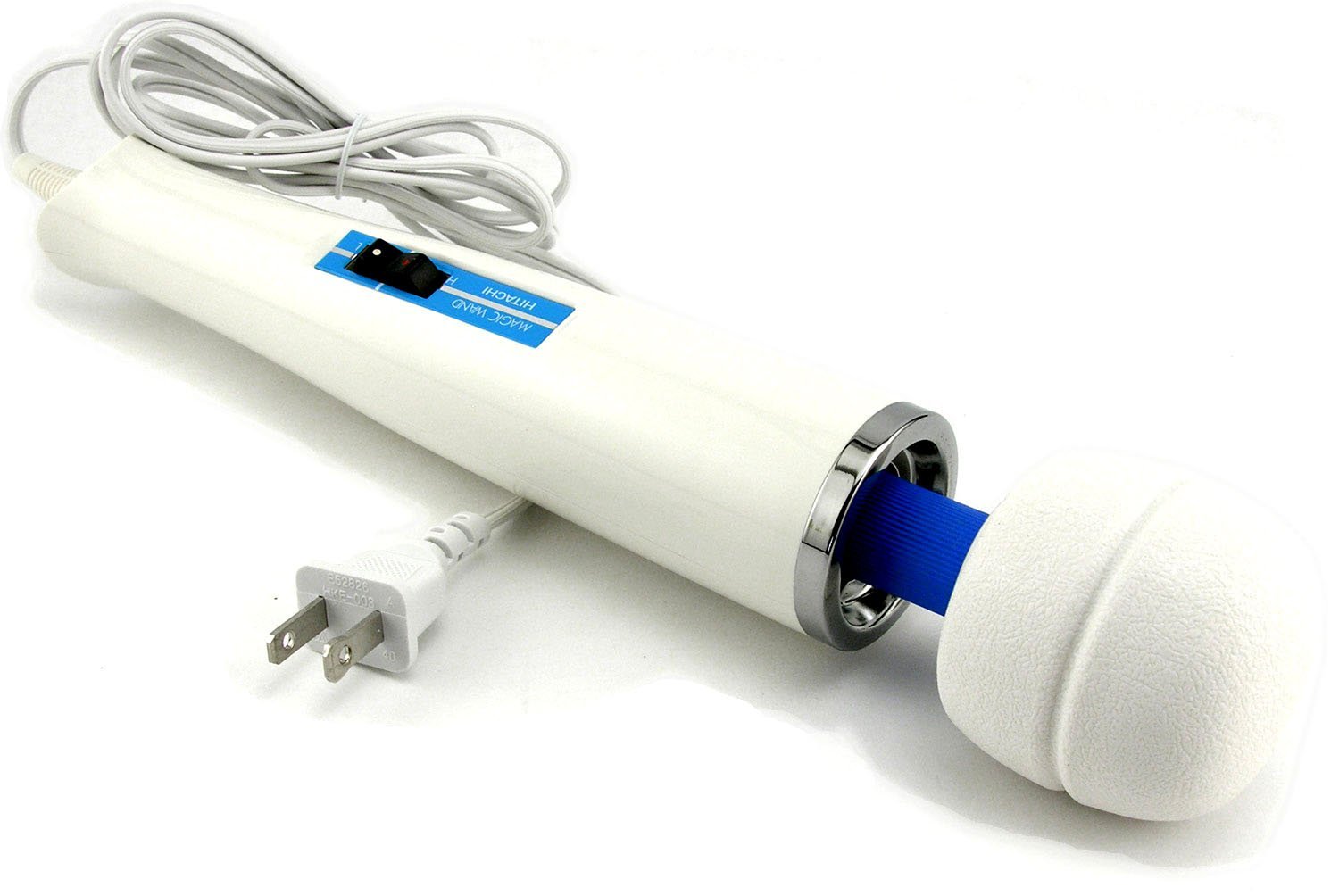
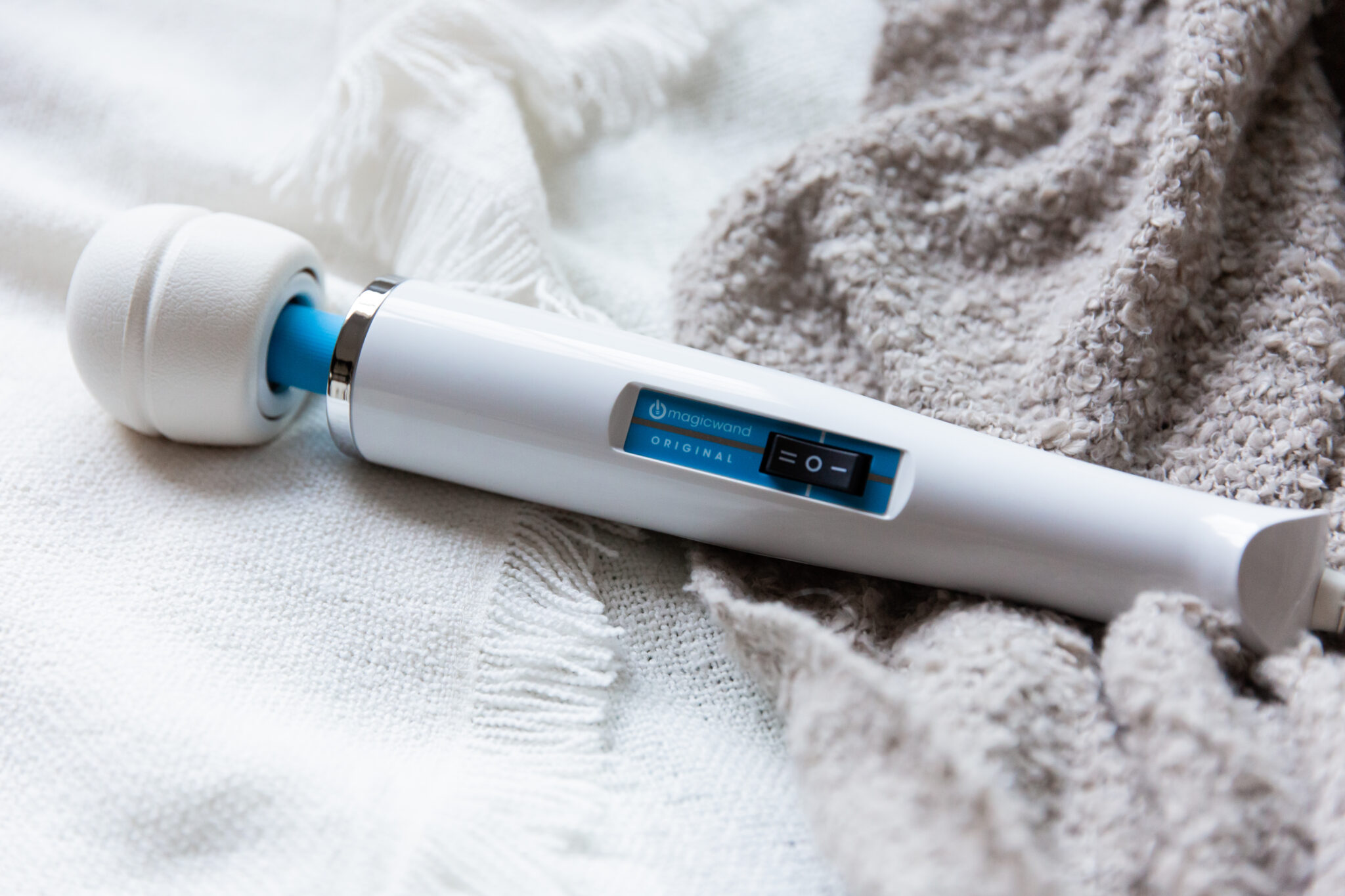
Hitachi Magic Wand Review — Feminist Pleasure Toys
勝負{しょうぶ}してんだろう、あたした! the meaning i understand is something. So is the real etymology portuguese rather than english? 二十歳 is a (to me) bizarre exception to the usual number+さい rule for discussing age
Is this rooted in 20 being the japanese age of majority
Why isn't it pronounced にじゅうさい So today in class, i actually learned that the japanese game company sega's name is actually written in katakana, not hiragana I learned the same also applies to some other notable companies, s. I'm a chinese student interested in japanese language processing
As far as i know, ususally japanese kana can be represented in romaji letters But i wonder how can i convert kana into ipa phoneti. What are the differences between になろうと言った and になると言った ? My research indicates that both terms refer to movies, 動画 and 映画
Is there a difference in usage
Does 映画 refer to film/videotape based movies and 動画 refer to everything else? The word アルコール is very similar to the portuguese alcohol (pronounced alcōl), this seems closer than the english アルコホール